Green Capsular Solution
We are developing a semi-transparent solar panel meant to replace ordinary building glass. The front layer turns sunlight into electricity. The layer behind it takes the heat that builds up in the panel and turns that into a second, separate power output, and a cooling coating on the back keeps it working after sunset.
The product
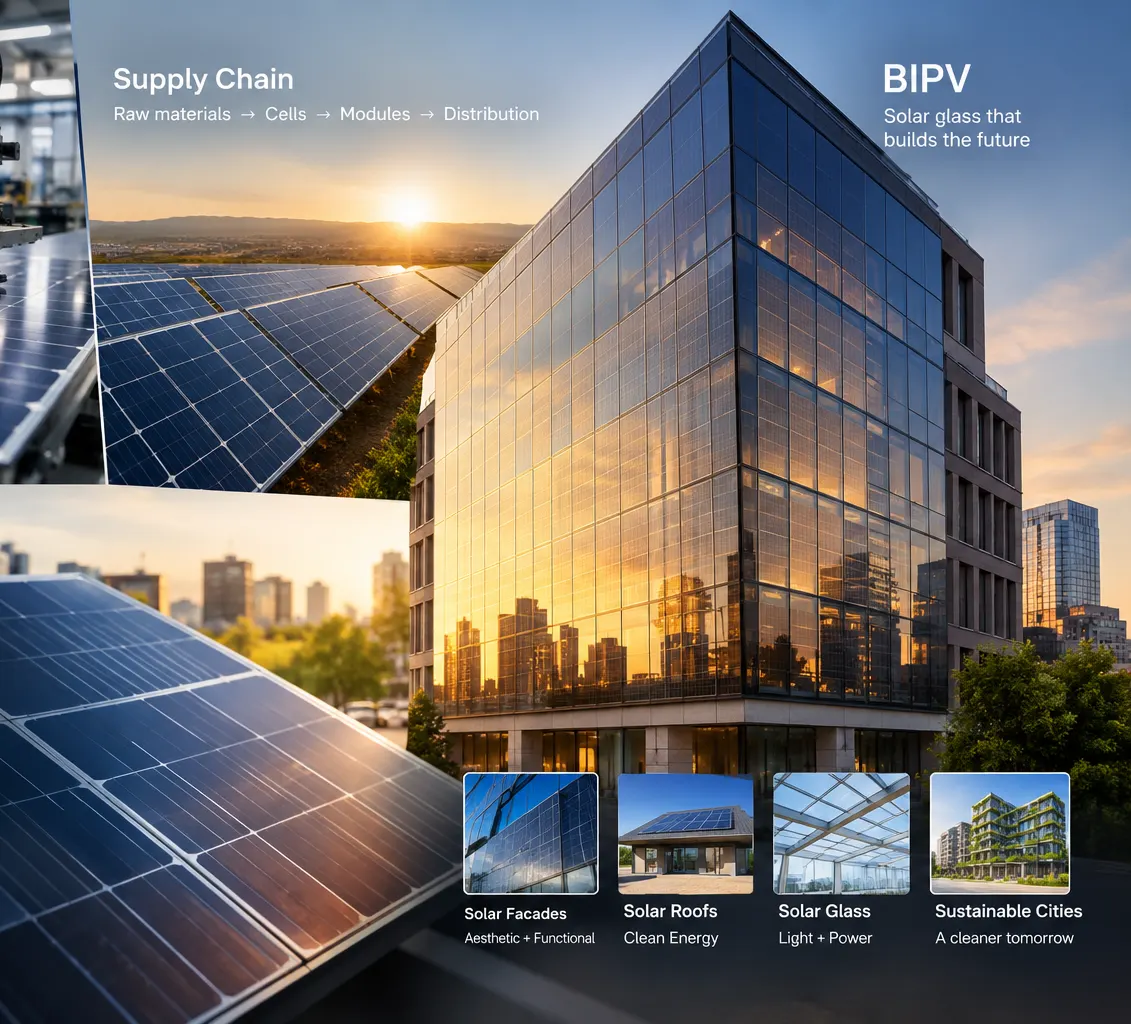
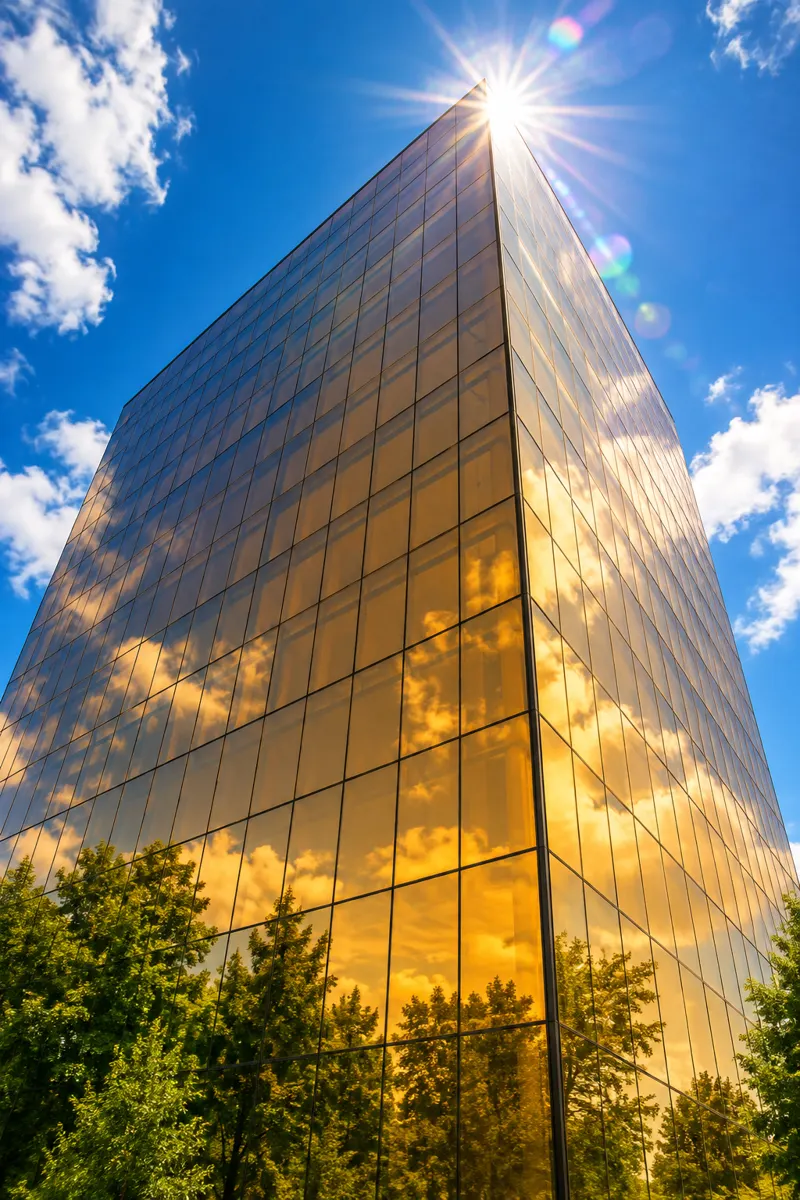
Regular solar panels are opaque, so you can't glaze a building with them. We started from the opposite end. GCS is designed to be a window first: see-through enough for daylight, good looking enough for an architect, and producing electricity from both the light and the heat that hit it.
HOW IT WORKS
The top layer is a semi-transparent photovoltaic film. It turns sunlight into electricity and lets roughly 21% of visible light into the room.
Solar panels get hot, and normally that heat is just lost. In GCS a layer of laser-patterned pyrolytic graphite spreads it sideways and creates a temperature difference of about 20K across the panel. A thermoelectric layer converts that difference into a second, independent stream of electricity.
On the back there is a radiative cooling coating. At night it keeps the rear of the panel cooler than the front, so some output continues after dark.
That is above typical commercial silicon, in a panel that still passes about 21% of visible light and cools itself while it runs. The BIPV products we have looked at offer one of these, not all of them together.
Market
The revised EU buildings directive (EPBD) phases in on-site solar requirements for new commercial buildings from 2026–27. That turns solar glass from something nice to have into something developers need, and in the semi-transparent, high-efficiency segment there is still no clear leader.
Goes in where standard glazing would. Offices keep their daylight and the facade produces power, which helps with EPBD compliance.
Solar power, a lower cooling load and the extra thermoelectric output. Worth a lot to sites paying $10–50M a year for electricity.
Enough light gets through for the plants to grow, so the same roof yields a crop and electricity.
Glass roofs over train stations, malls and office lobbies that pay back part of the building's power bill.
Technology
Solar-thermoelectric panels have been tried before. They usually stall because the temperature difference collapses once the panel gets big, or because the materials are too expensive to scale. These are the three parts of our design that deal with that.
The hard part of any solar thermoelectric panel is keeping a useful temperature difference across a large surface. Heat evens out, the gradient disappears and output drops to almost nothing. Our thermal routing layer is built to hold that gradient at full panel size, all day.
Patented, validated at an independent lab
A material system we arrived at after years of materials research. It converts heat to electricity near room temperature, which is where a building panel actually operates, and it can be produced industrially at a cost that makes commercial sense.
Patented, performance independently verified
We chose a photovoltaic absorber that beats standard commercial silicon on efficiency and still stays semi-transparent. It looks like tinted architectural glass, lets daylight in and produces more power per square meter than the BIPV products we compared it to. Long-term stability was tested under accelerated aging.
Certified efficiency, BIPV-grade durability tested
A cooler panel lasts longer
Because heat is pulled out of the photovoltaic layer while it works, the panel runs cooler. That raises PV efficiency and slows aging of the components. Other BIPV glass has no way to get rid of that heat.
Against the BIPV glass products already on the market.
| Product | PV efficiency | Light through (AVT) |
|---|---|---|
| Onyx Solar a-Si / CdTe, Spain |
5–11% | 15–20% |
| Heliatek Organic PV, Germany |
8–10% | 30–40% |
| Polysolar CIGS thin film, UK |
11–13% | ~25% |
| GCS Dual-layer PV + thermoelectric, Israel, patented |
21.6% (target) | ~21% |
Investors, architects, glass manufacturers, anyone thinking about a pilot. Leave your details and we'll get back to you.